Curiosity output: 4
3.25.2026
High-Performance Computing:CDC Measles Waterwaste Report Demo
Input: Design and demonstrate a workflow using Google cloud services that allows a user to create a report.
Practicing Methodology
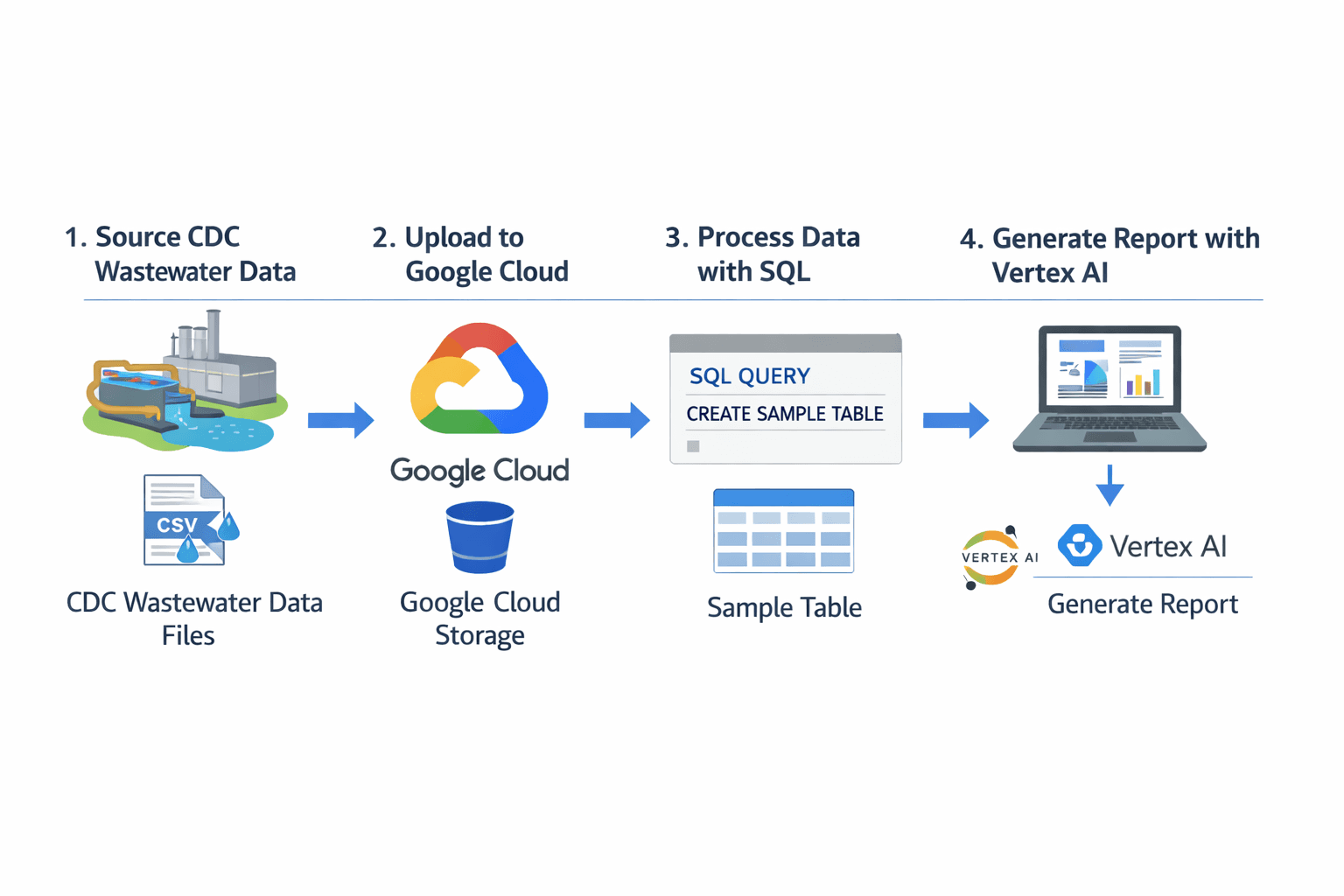
What Happened
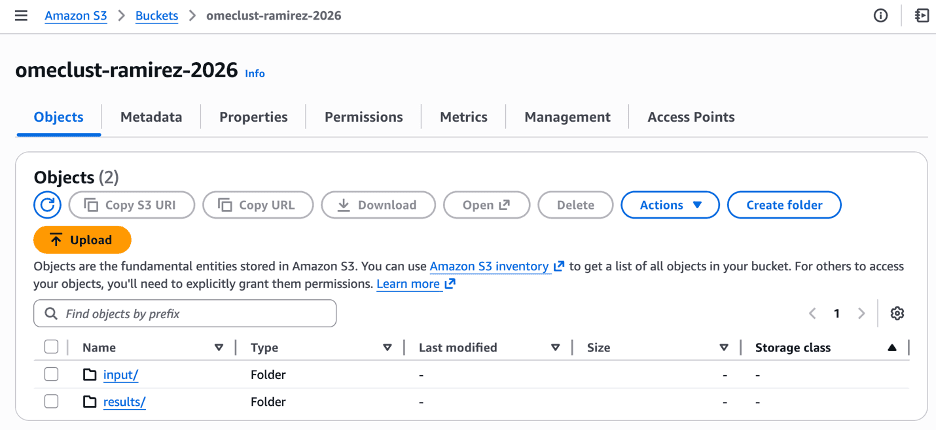
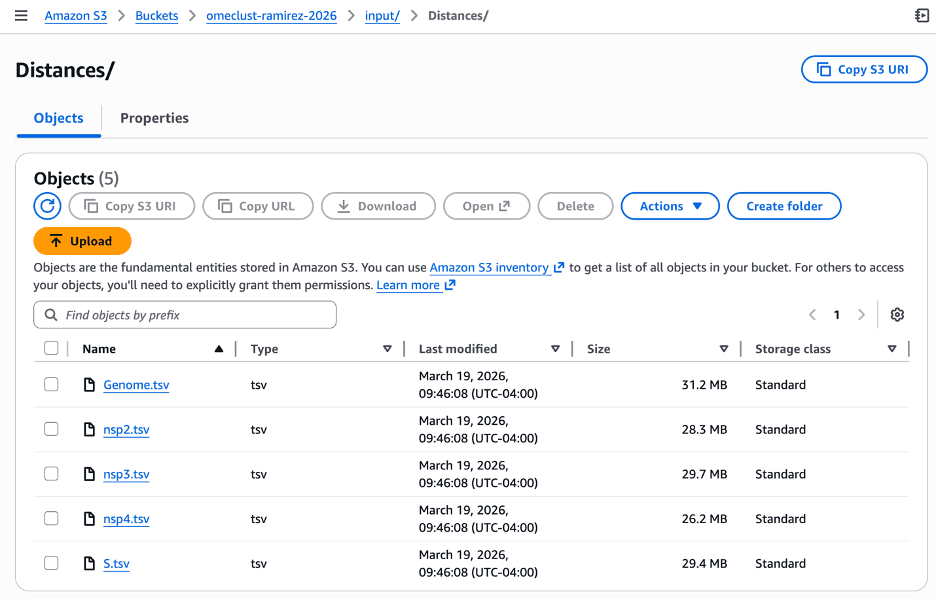
Step 1 – Create Cloud Storage (S3)
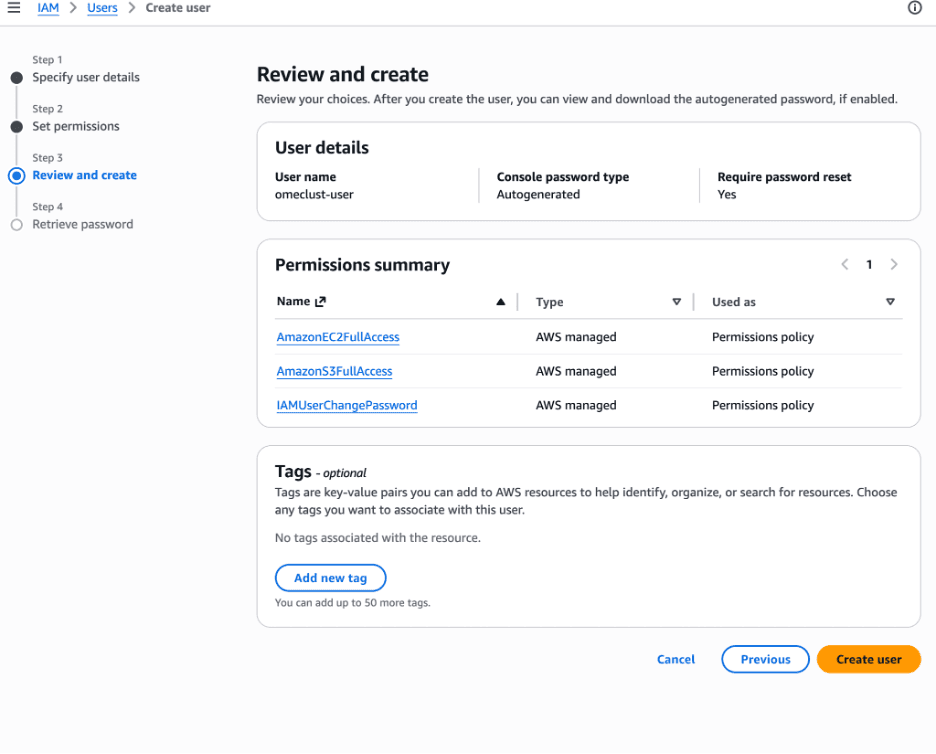
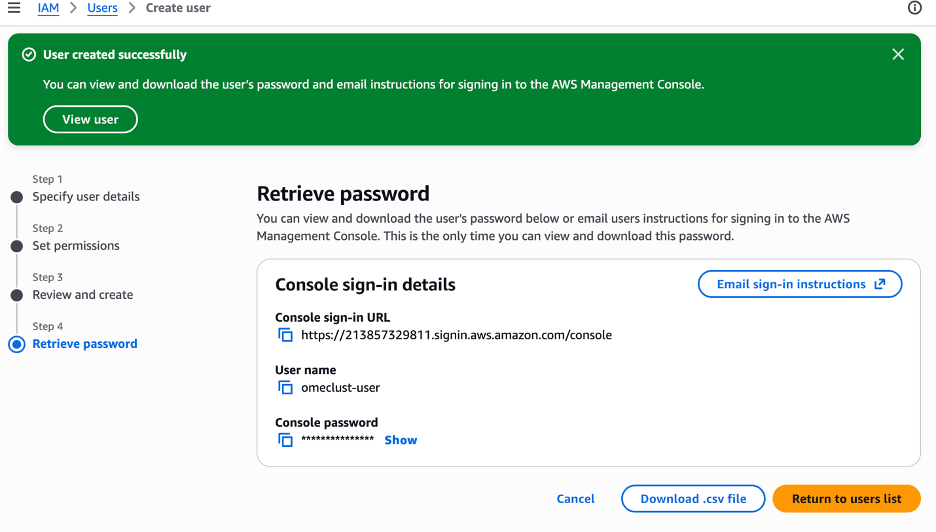
Step 2 – Configure Access (IAM)
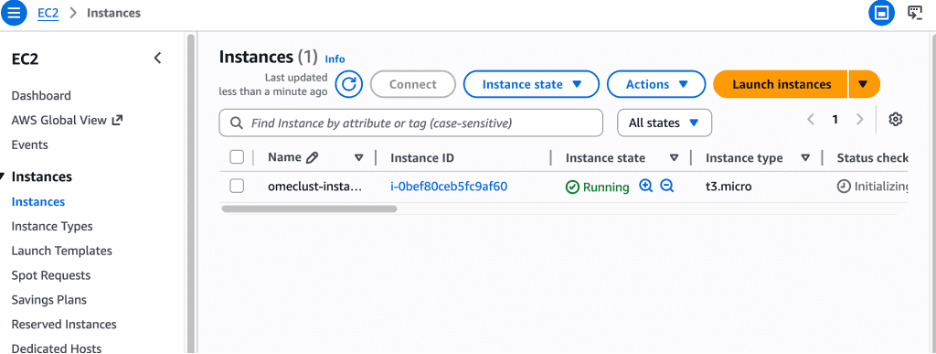
Step 3 – Launch Compute Resource (EC2)
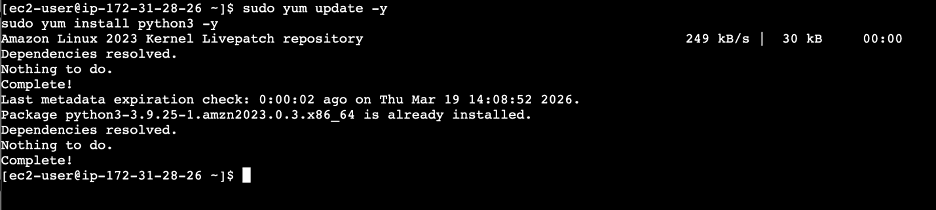
Step 4 – Run omeClust Analysis
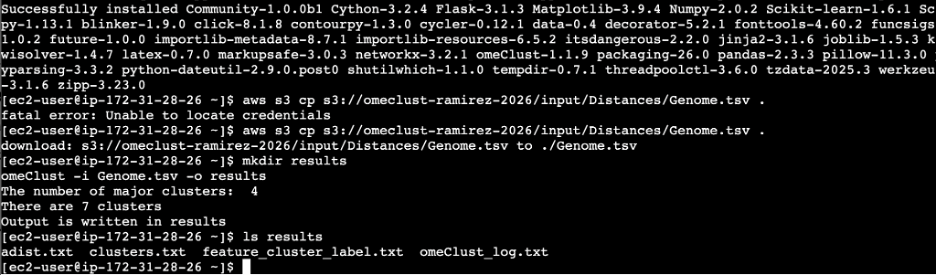
Step 5 – Store and Share Results
After th
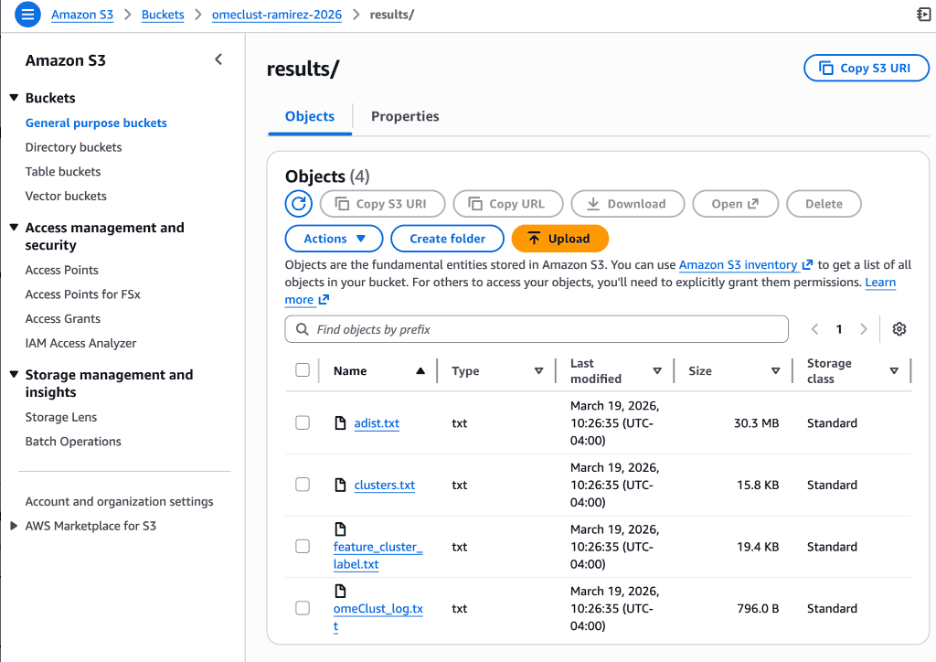
Step 6 – Cleanup Resources
Finally, th
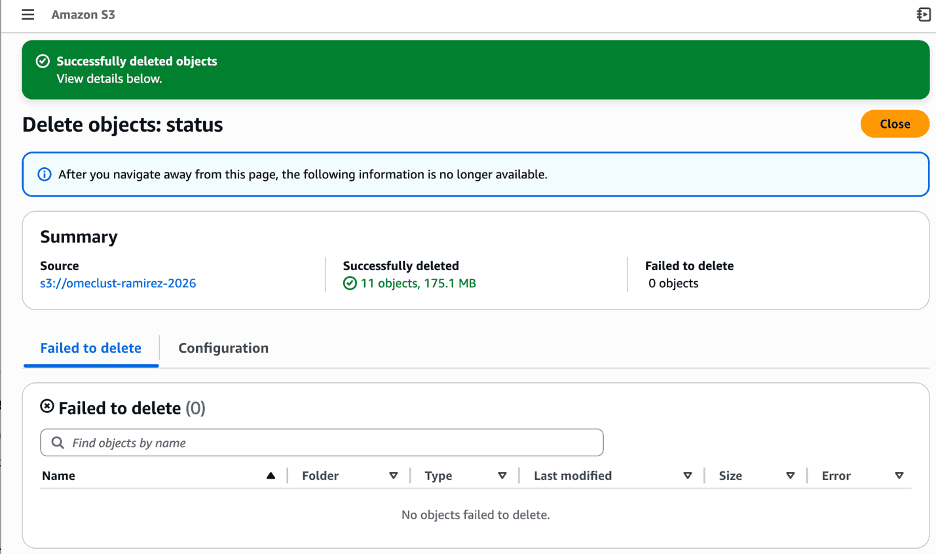
Wrap Up
This workflow, while focused on a single omeClust analysis pipeline, reflects a much broader trajectory in modern human health research. At the micro level, it enables detailed exploration of complex biological relationships such as microbial interactions and molecular patterns with scalable computational tools. As these workflows are repeated, standardized, and expanded, they contribute to larger datasets that inform population-level insights, bridging the gap between individual biological signals and public health understanding. The ability to efficiently store, process, and share data in cloud environments like AWS is a foundational step toward this integration.
As we continue advancing in data synthesis, the convergence of high-throughput biological data and scalable computing will redefine how we study health across systems and populations. Looking ahead, I aim to explore the introduction of AI-driven tools into HPC environments and its promises to accelerate this transformation. Features that propel us forward by enabling automated pattern discovery, predictive modeling, and real-time analysis at unprecedented scales. These developments signal a future where insights from microbiology to population health are continuously evolving through intelligent, adaptive systems.